UMH Investigators Evaluate the Effects of In-Kind Agricultural Microcredit Program in Rural Uganda
Proyectos Cooperación al Desarrollo
19 October 2026
An investigative team from the University Institute for Agro-Food and Agro-Environmental Research and Innovation (CIAGRO) at the Miguel Hernández University of Elche (UMH) has evaluated the effects of an in-kind agricultural microcredit program, combined with technical training, in rural Uganda. Their study, published in the journal, World, shows that this intervention model helps mitigate the impact of seasonal food shortages and improves dietary quality in vulnerable rural communities.
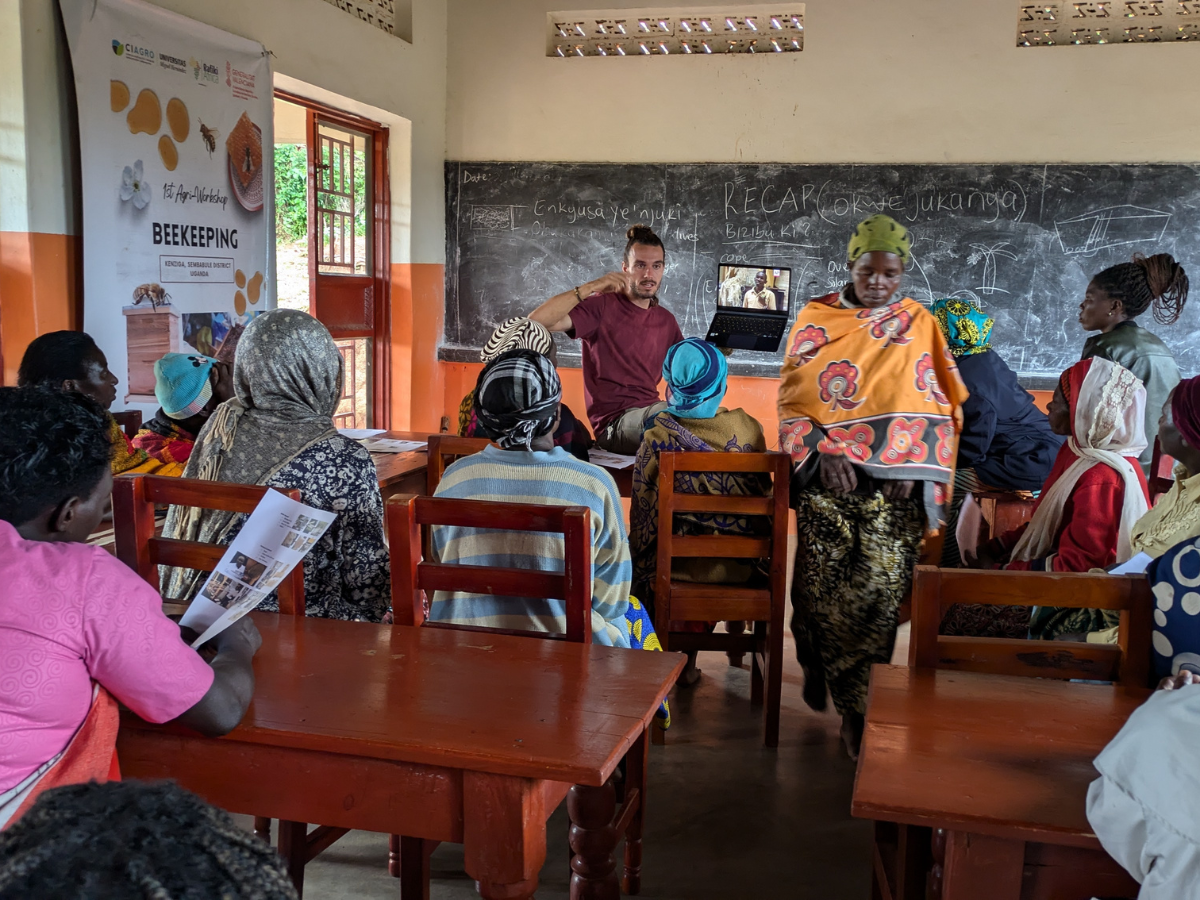 More specifically, their study was conducted in the Sembabule District, in close collaboration with international NGO, Rafiki Africa, and local partner organization, Kukorra Hamu. Sembabule is a region located in Uganda’s so-called “dry corridor,” characterized by recurrent droughts, high rates of food insecurity, and very limited access to productive inputs and formal financial services. Unlike traditional microloans, which provide cash and often fail to improve food security because the money is typically spent on immediate emergencies, this program provides productive assets in kind (such as maize seeds, goats, pigs, poultry, and beekeeping equipment), which is preceded by a year of agricultural training and technical support.
To evaluate the results, the UMH team compared households that had already received agricultural assets with those in the initial training phase by applying the Months of Adequate Household Food Provision (MAHFP) international indicator. Households that received microloans scored significantly higher on food availability (8.17 months per year of adequate food supply compared to 6.86 months in the training group) and experienced a lesser impact during the months of greatest drought and seasonal scarcity, which are concentrated between August and October.
In addition to the quantitative analysis, the CIAGRO team at the UMH documented the effects perceived by the participating families. Although the direct monetary income generated by agricultural activities was modest (and used primarily to cover priority fixed expenses such as children’s school tuition and/or medical care), the nutritional and indirect benefits were significant. Seventy-five percent of the beneficiaries reported an improvement in the diversity and quality of their diet, and 84.4% noted that they now spend less money on food, thanks to self-consumption and the crops they harvested. Furthermore, nearly two-thirds of the participants reported gaining the ability to save money since they began their productive activities.
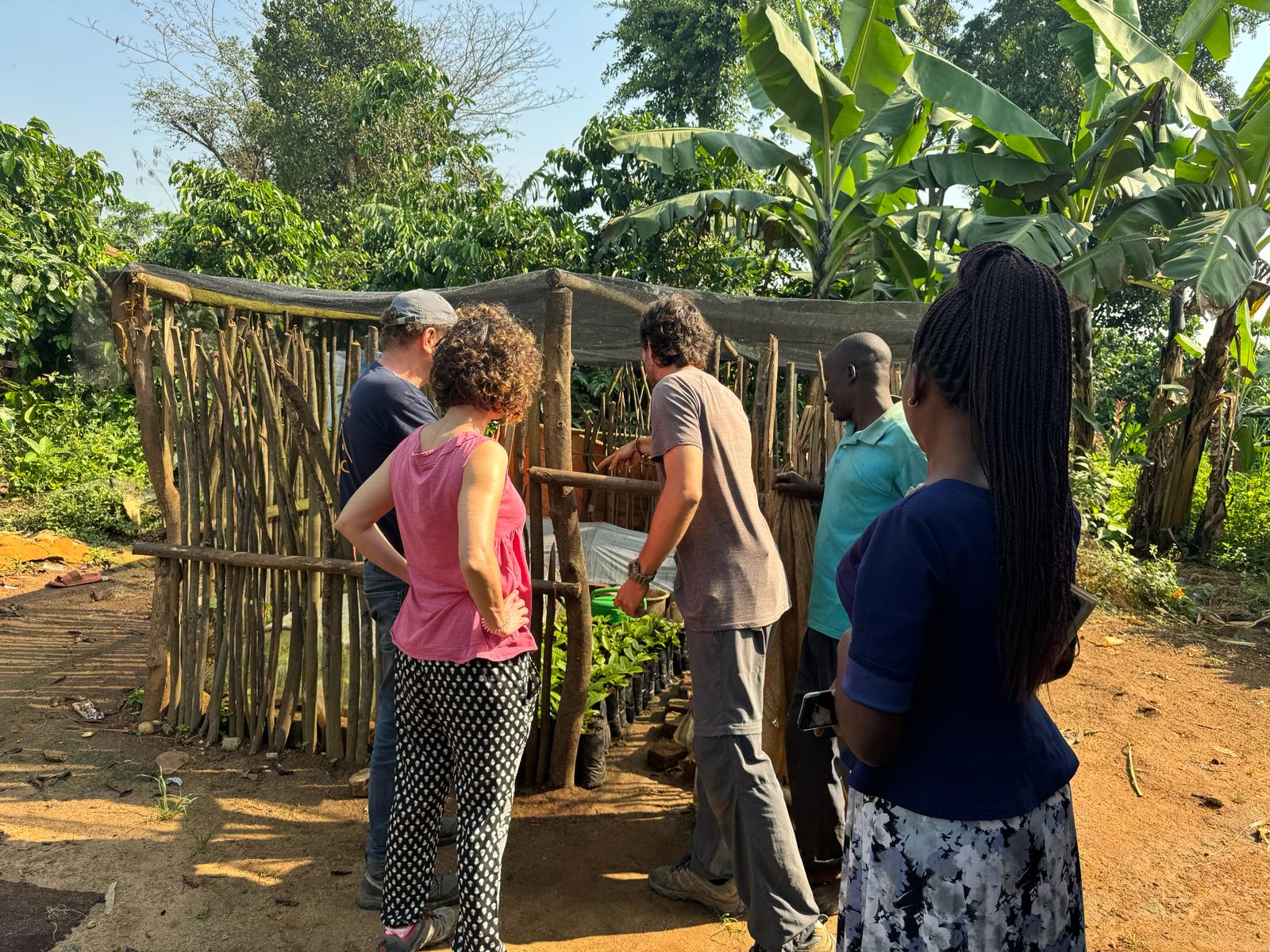 The findings show that in-kind microloans combined with training do not serve as a quick fix for eradicating chronic poverty, but they do play a crucial role as a safety net or social protection mechanism against seasonal crises. By receiving inputs directly and having flexibility in making payments, farming families strengthen their resilience, improve their nutrition, and gain greater confidence in planning their economic futures.
This work was conducted by CIAGRO-UMH researchers, Joaquín Solano Jiménez, Ricardo Abadía, and Laura Martínez Carrasco. The research received funding from the Generalitat Valenciana, through its research support programs, and additionally by the UMH Vice Rectorate for Internationalization and Cooperation.
Solano-Jiménez, J., Abadía, R., & Martínez-Carrasco, L. (2026). Early Evidence on Household Food Security and Livelihood Changes Associated with an In-Kind Agricultural Microcredit Programme in Rural Uganda. World 2026, 7(10), 167; https://doi.org/10.3390/world7100167