UMH Supports Renewable Energy Initiative at Nemba Hospital in Rwanda
28 January 2026
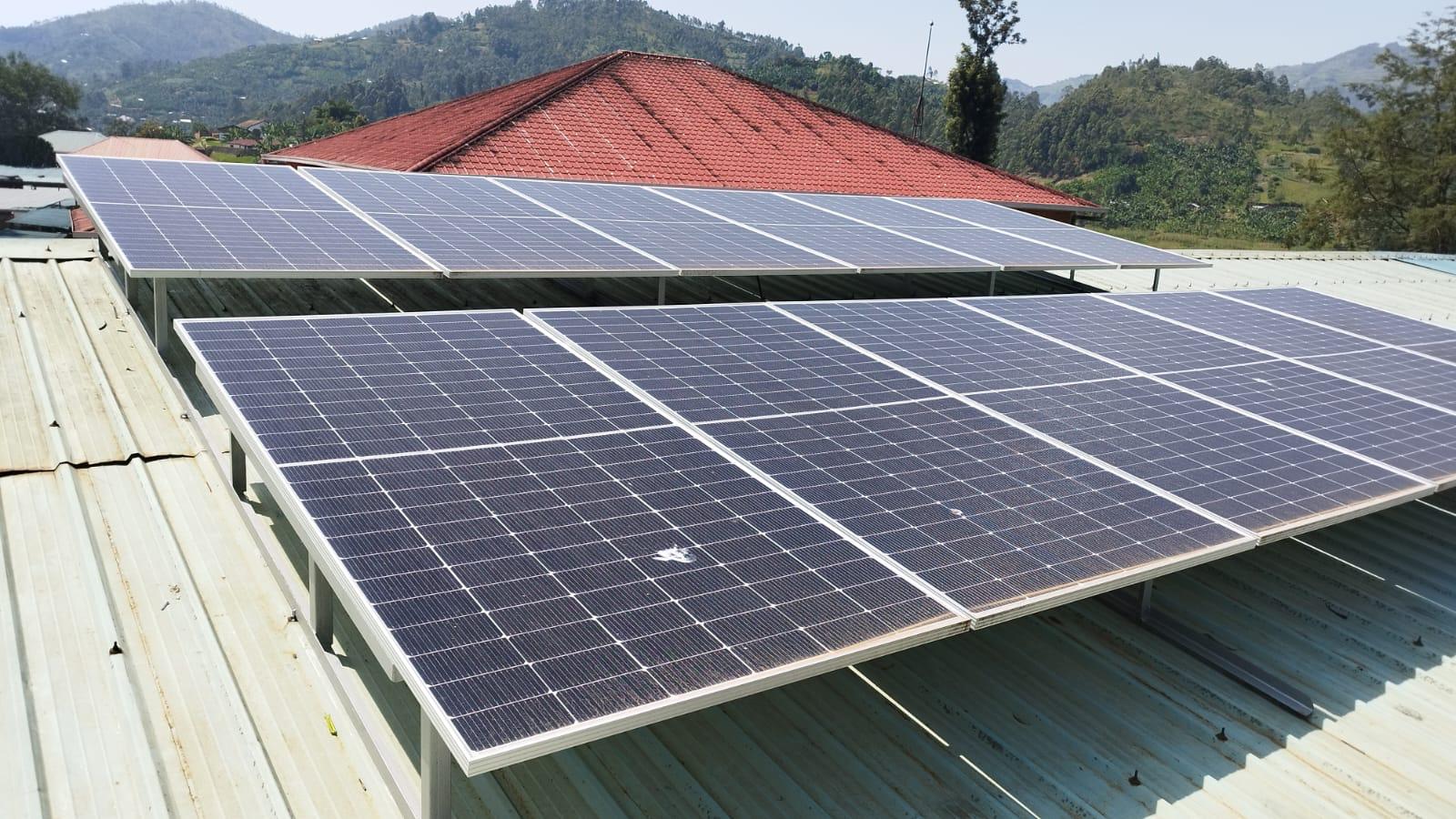
 The Miguel Hernández University of Elche (UMH) has taken part in a project and installed photovoltaic solar panels at Nemba Hospital in Rwanda. The support by the UMH is enabling the hospital to generate renewable energy for self-use by the hospital laundry to improve its overall energy efficiency and lower electricity costs there. UMH engineers designed the solar installation and also provided training at three vocational & technical schools in the country, empowering Rwandan secondary-level teachers and students with additional knowledge and teaching resources on designs and maintenance of photovoltaic installations.
The solar power initiative is part of a university development cooperation project entitled, “Training on Photovoltaic Energy as a Vehicle for Development in Rwanda.” This project was developed by the UMH and funded by the Generalitat Valenciana. It was conceived during a stay by Pedro Juan Martínez Beltrán, a UMH Professor of Thermal Machines and Motors, in Rwanda in July 2024, as part of the 11th edition of the UMH volunteer program in the African country. During his stay there, the professor was able to assess the feasibility of implementing an installation of this type to reduce electricity consumption from the national power grid and to contribute to the development of Rwanda’s industrial sector in this field.
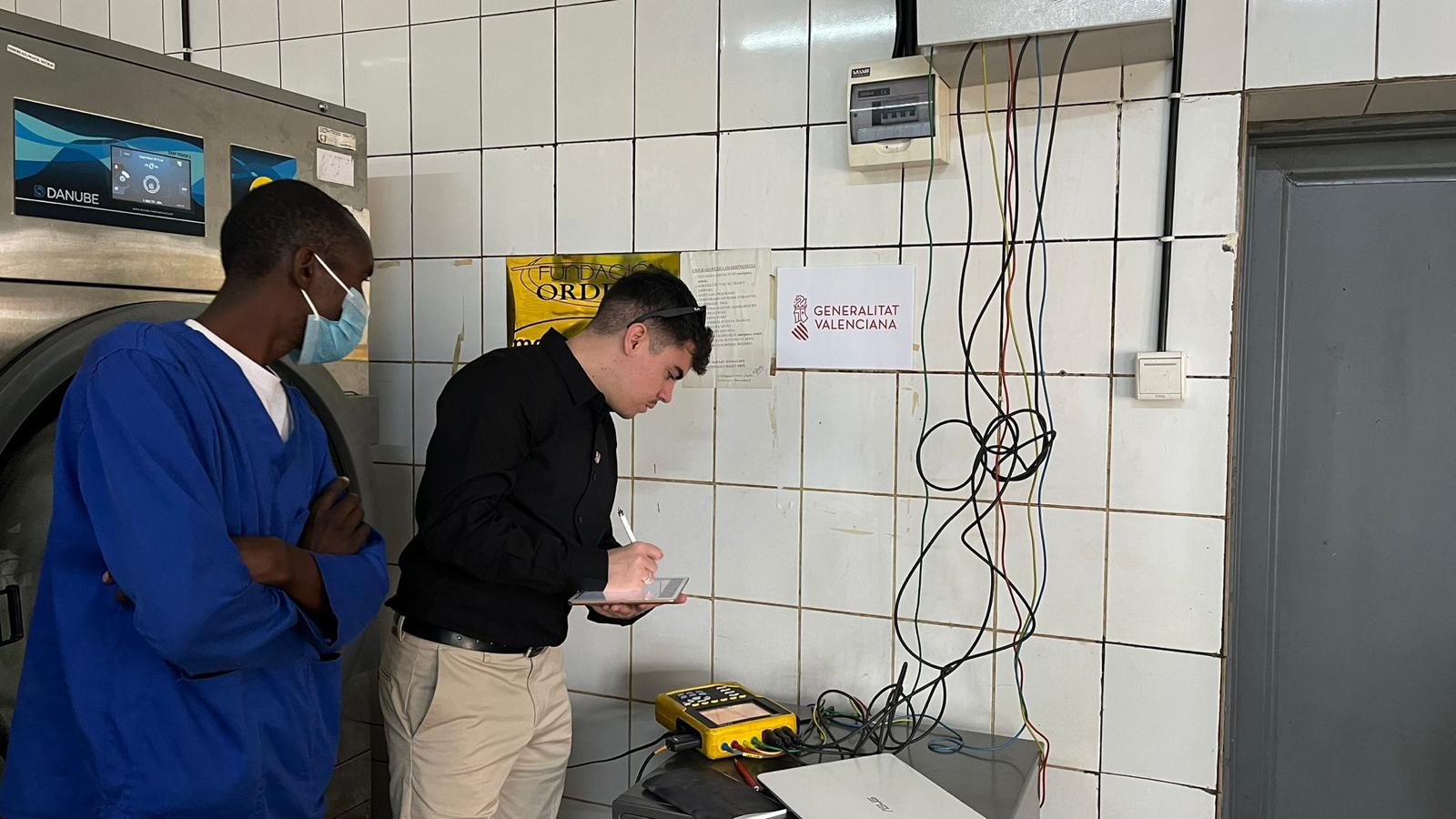
The university development cooperation project team received active support by the Vice Rectorate for International Relations and Cooperation; the staff at the Service of International Relations and Cooperation; the managers of the UMH Headquarters in Rwanda Chair; mechanical engineering faculty, including professors Pedro Juan Martínez Beltrán and Francisco Javier Aguilar Valero; plus engineers, Sara María Martínez, Ícaro Vera Álves, and Jorge Fabregat Calixto. Of these individuals, the latter two recently traveled to Rwanda, and there, they held project follow-up meetings with the maintenance personnel at Nemba Hospital. According to Fabregat, the main objective of the visit was “to ensure the proper condition of the planned installation and to complete an energy audit at the hospital.”
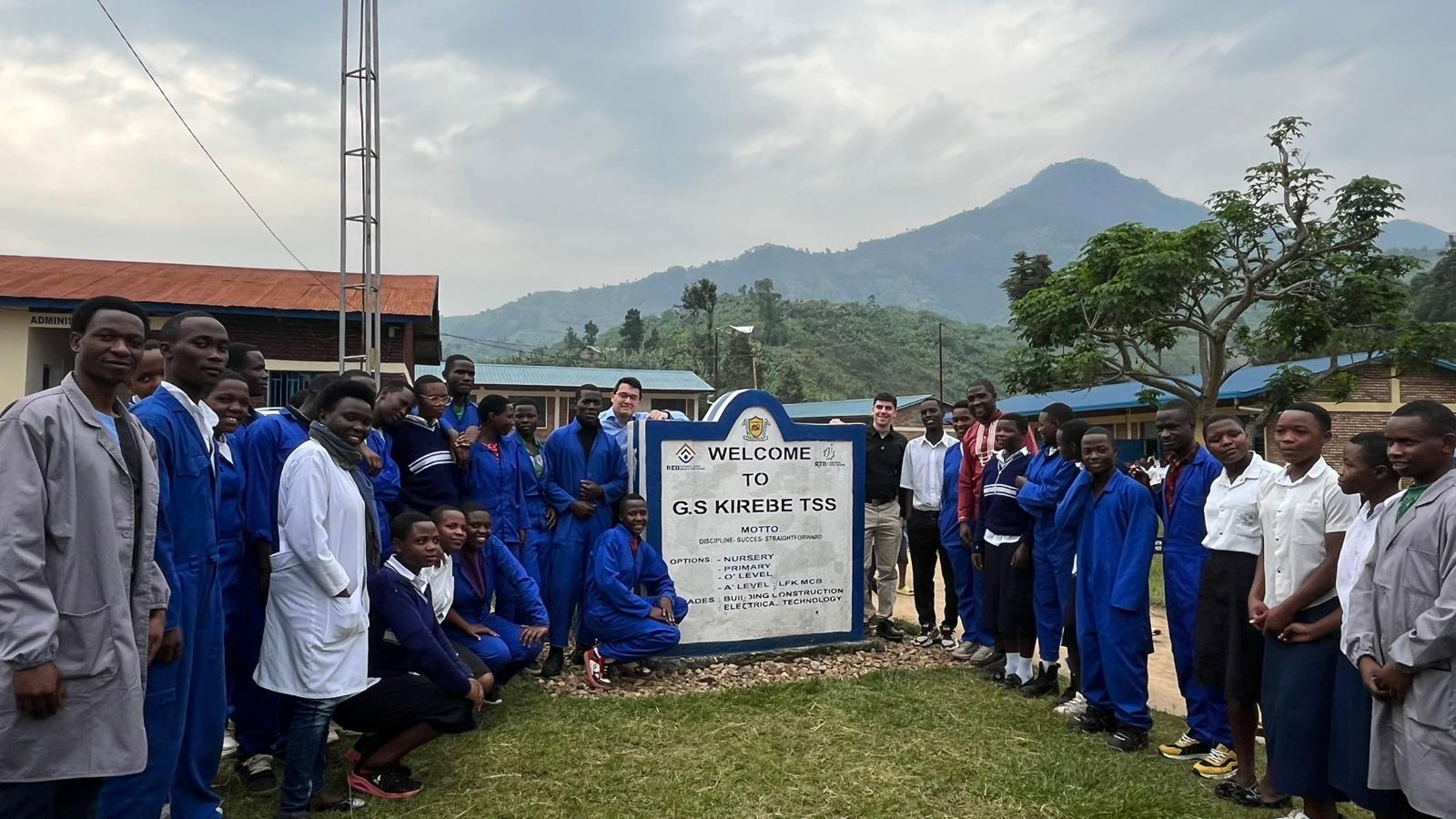
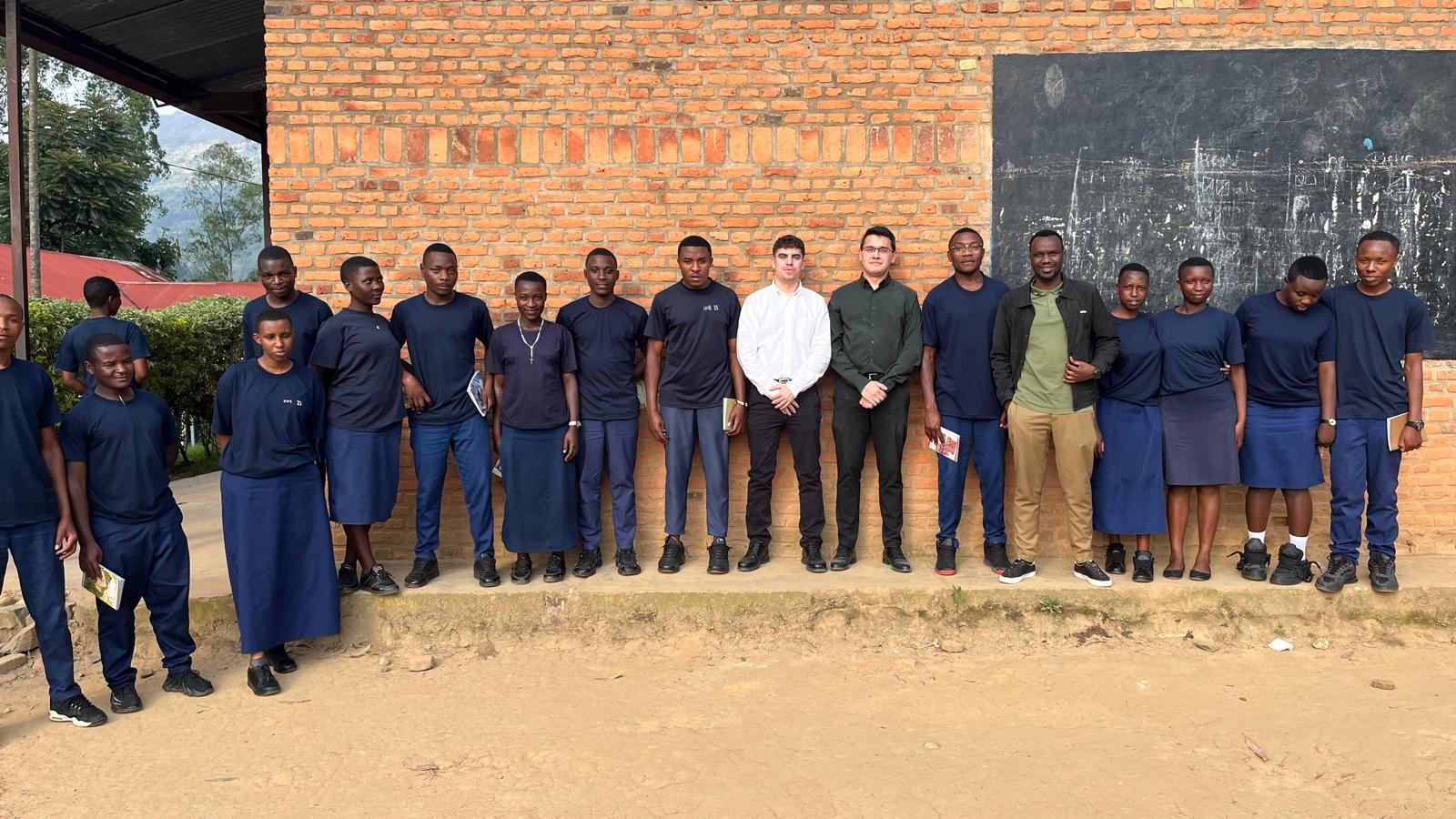
Furthermore, the team of engineers carried out significant training activities consisting of several sessions imparted at three technical schools in Rwanda (Nemba TSS, Kirebe TSS, and Apeki Tumba), aimed at teachers and students of different ages in the areas of electricity and construction. To this end, the Spanish engineers prepared sessions “adapted to different groups of students and teachers, with the aim of laying the foundations so that they can apply this photovoltaic energy knowledge and design their own installations in a simple manner,” as explained by Vera.
The project includes a planned second phase, which has already been signed by UMH Rector, Juan José Martínez, during his recent visit to Rwanda. In this second phase, as the university faculty explain, the focus will be on increasing the installation capacity to allow for greater self-consumption and, where financial resources permit, on also incorporating the elements required to produce domestic hot water from solar energy.
The first phase, Fabregat notes, has served to “compile information from the hospital regarding the optimization of solar energy use, synthesize it, and draw up an action plan.” “Rwanda is a country with high levels of solar radiation, similar to those of Spain, and thanks to its latitude, different types of installations can be considered while still achieving efficient generation levels,” Vera concludes.