UMH Participates at CRUE Workshops XXIV on internationalization and cooperation at University of Las Palmas de Gran Canaria
20 April 2026
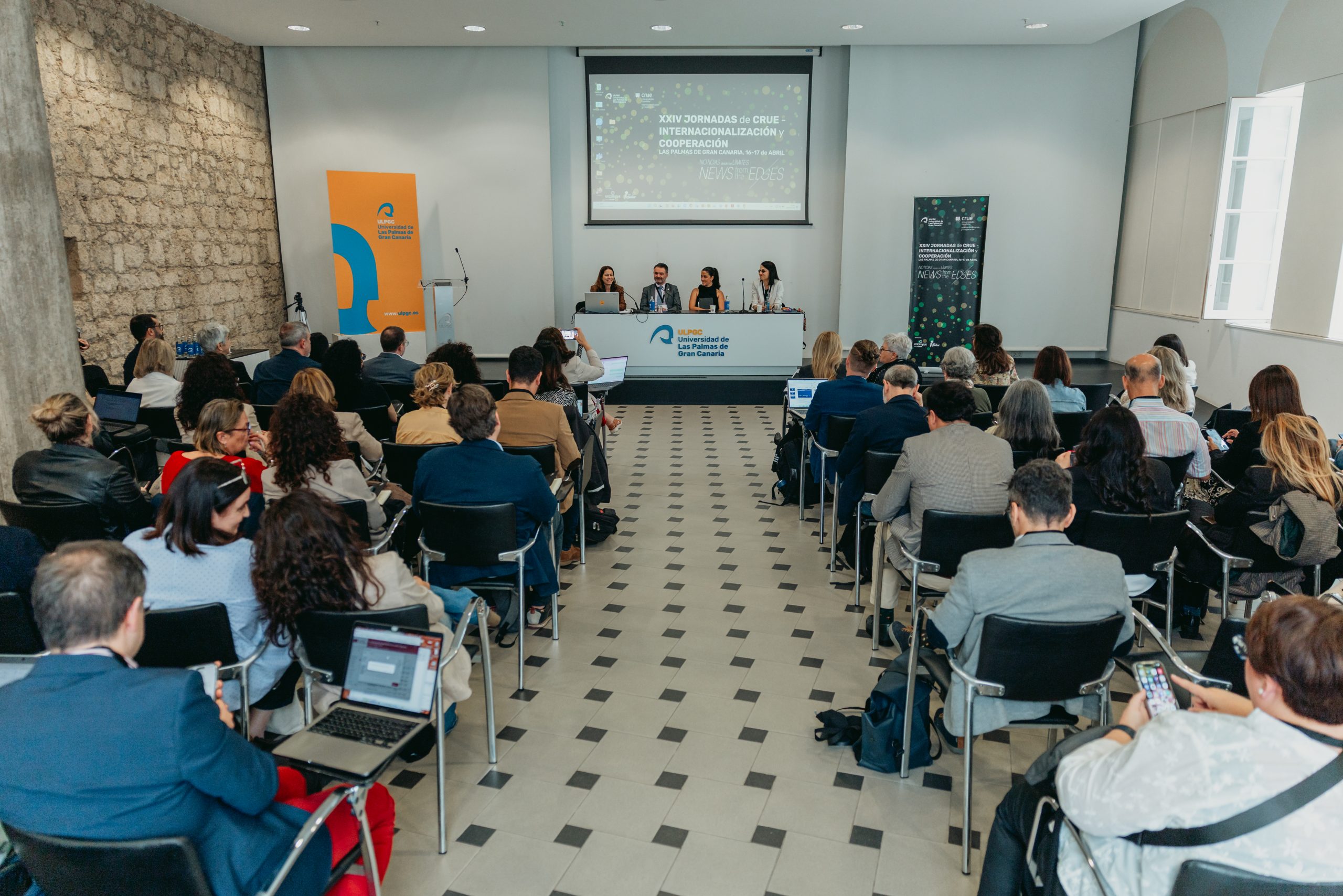
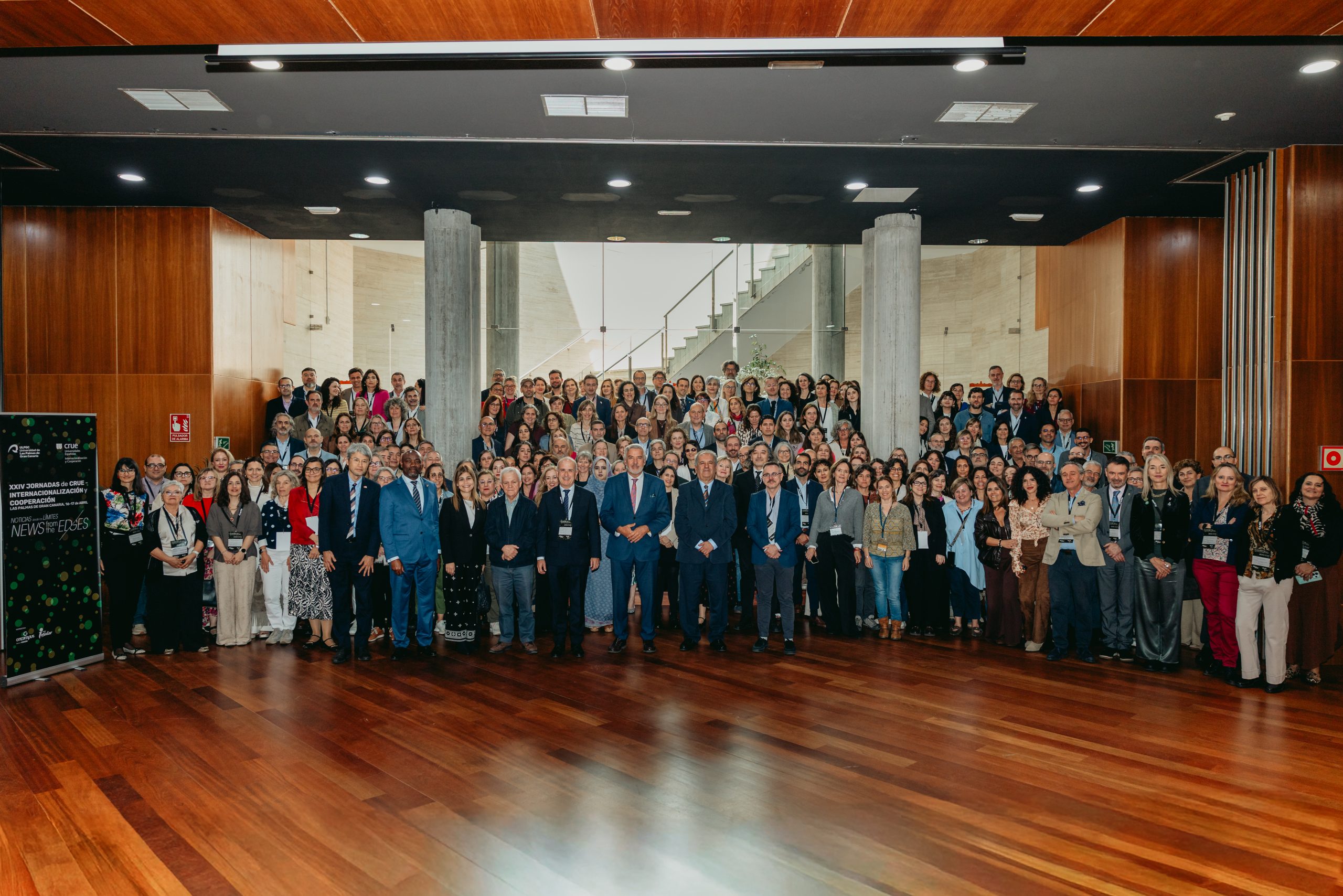
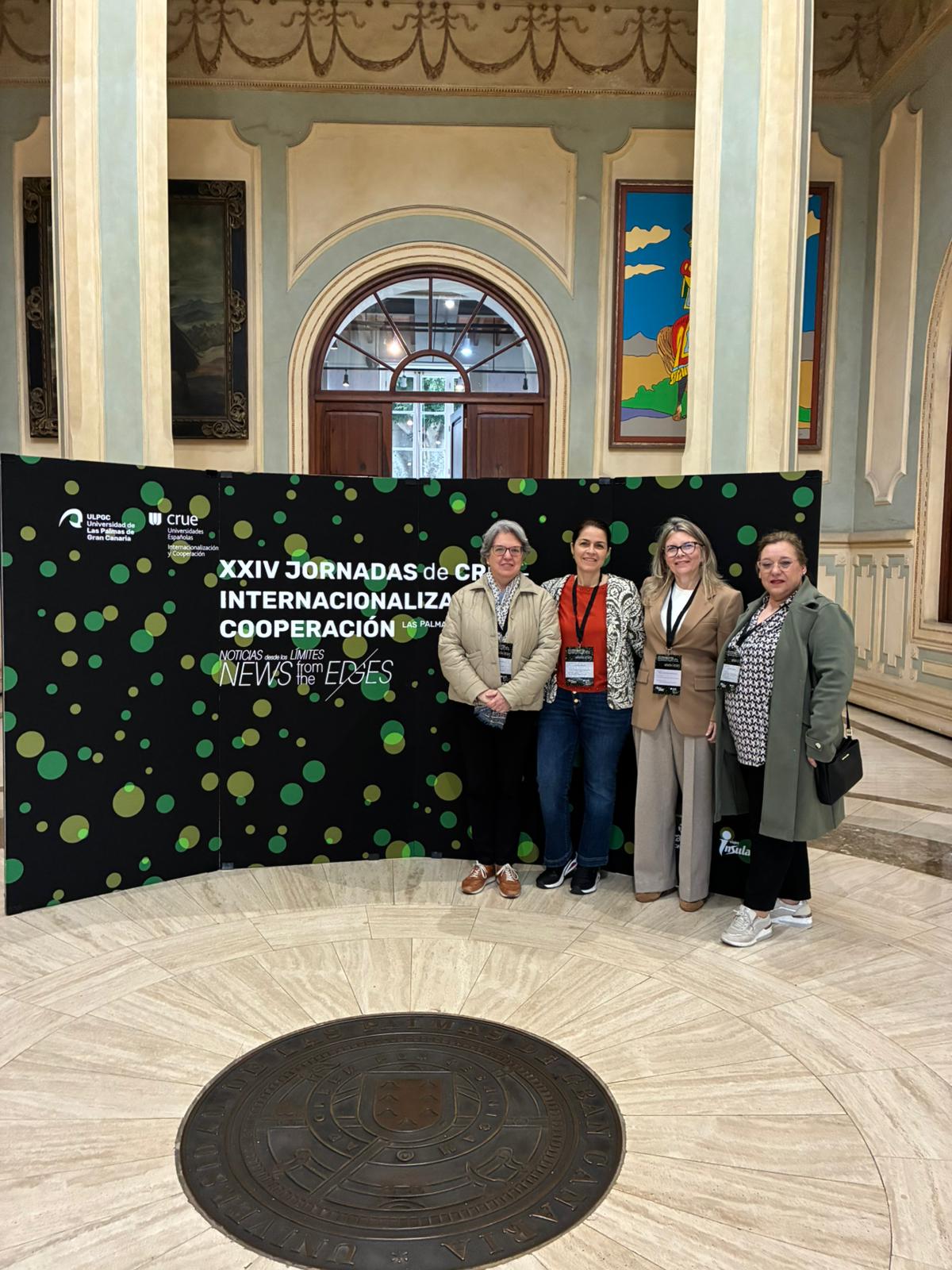 The Vice Rectorate for Internationalization and Cooperation and the Service of International Relations and Cooperation at the Miguel Hernández University of Elche (UMH) were participants at CRUE Workshops XXIV-Internationalization and Cooperation: News from the Edges, which was held April 16 & 17, 2026, at the University of Las Palmas de Gran Canaria.
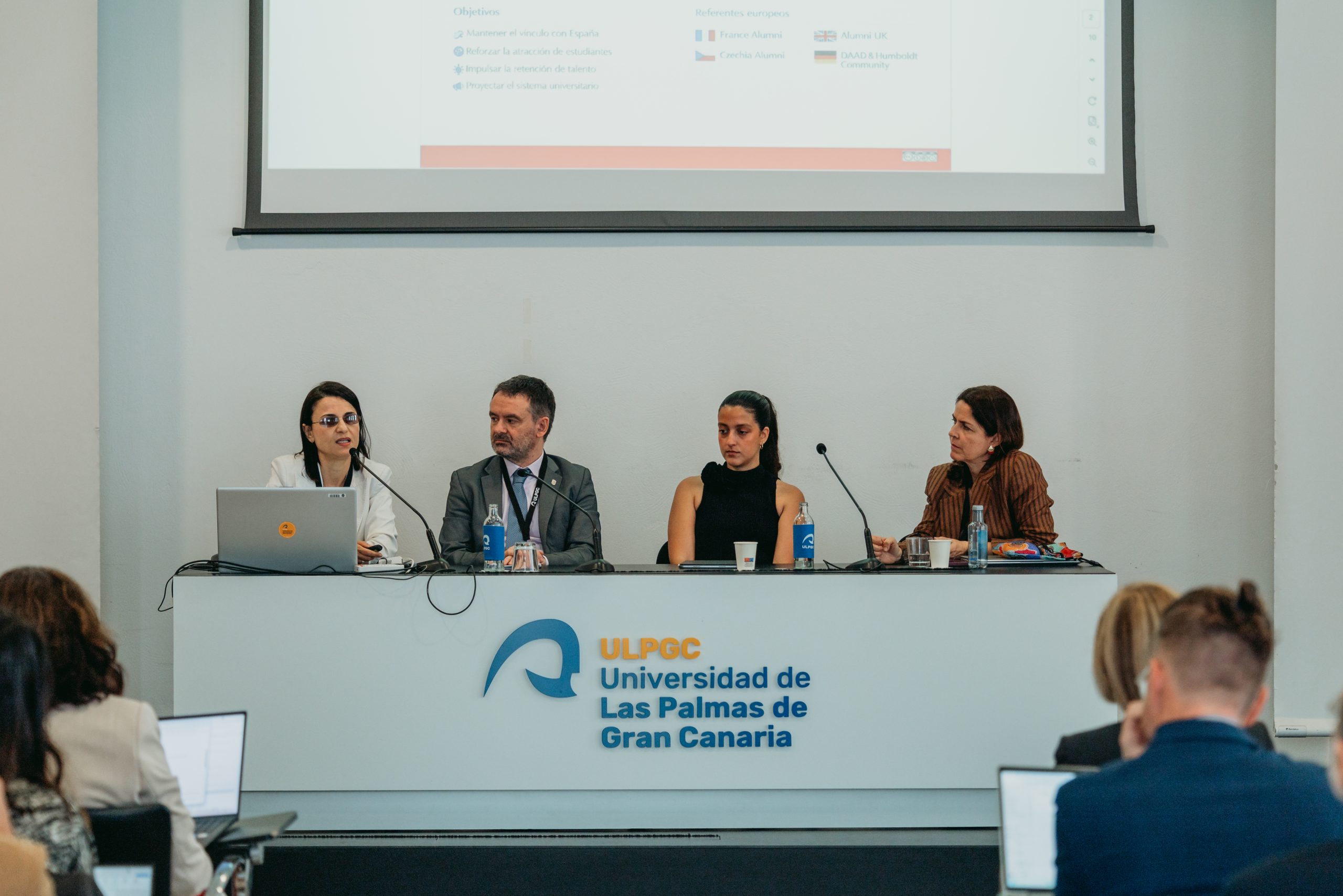
UMH representatives attending on behalf of the Vice Rectorate included África Martínez, Director of Mobility; Juana Aznar, Director of Development Cooperation and Volunteerism; and Mari Carmen Lillo, Director of International Promotion. Also in attendance was Inma Blaya, Director of the Service of International Relations and Cooperation, who moderated the “Best Practices in International Alumni Relations” panel discussion.
The panel employed a highly practical and participatory approach. The session began with a presentation of two success stories in the management of international alumni communities, and this served as a source of inspiration for those in attendance. Subsequently, the Spanish Service for the Internationalisation of Education (SEPIE) presented the “Alumni Spain” strategic model, and this was followed by a session analyzing the UMH experience with the pilot activities of this national network. In it, the strategic role of these networks in strengthening the institutions’ international presence was highlighted, fostering academic cooperation and consolidating lasting ties with alumni around the world.
At this event, along with many Spanish universities, África Martínez attended sessions by the CRUE mobility work sub-group. These sessions presented the guide that universities will use to prepare emergency protocols for mobility programs, as well as for working on consensus tables for all Spanish universities to standardize criteria for the recognition of course equivalencies and grades earned during study abroad periods.
For her part, Mari Carmen Lillo took part in the sessions on internationalization, which focused primarily on the geopolitical influence on academic collaboration, with a particular emphasis on relations with Africa, Latin America, and Asia. These sessions highlighted the need to strengthen ties and promote the university system through collaborative partnerships with these continents, thereby reinforcing our shared presence in today’s global landscape. During the CRUE event, the impact of artificial intelligence on internationalization efforts was also examined, and calls were made for a more streamlined policy regarding visa processing, the European ID card, and other administrative procedures.
These CRUE meetings are intended to serve as a forum for reflection on the role of universities in a world marked by profound geopolitical, technological, and social transformations. For this reason, this Atlantic forum strives to be a meeting place for sharing ideas, experiences, and strategies that may strengthen university internationalization and cooperation in an increasingly complex global context.
As for the cooperation and volunteerism group at CRUE, it is worth highlighting the efforts made—through small working groups—to compile the information expected to be provided by the University Cooperation Observatory for Development at CRUE. This tool, which needs to be updated, also represents an opportunity not only to highlight current activities, but also to highlight our shared history. On another note, the fair trade subgroup reported that it is possible, without much difficulty, for a university to become a fair trade university. Finally, the volunteering subgroup emphasized that universities are agents of social transformation and that volunteering plays an important role in this transformation, and therefore, volunteering should be promoted and supported by universities.
The Conference of Rectors of Spanish Universities (CRUE) is a nonprofit association comprising a total of 76 Spanish universities and it serves as the primary liaison between universities and the central Spanish government. It plays a key role in all regulatory developments affecting higher education in Spain. CRUE also promotes various initiatives to foster relationships with the business and social sectors, as well as institutional ties—both national and international—and it works to shed light on the value of Spanish universities.